


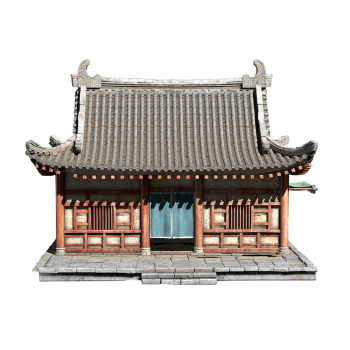
3D model of traditional Chinese architecture (support mobile AR, Vision Pro view)
A wooden structure with a strong ancient Chinese style single-eaves Hop-top building. The roof style is a typical Hop-top (or Nine Ridges Hall). It has four positive ridges and four vertical ridges, and four slopes (two-faced slopes and two triangular slopes). The roof is covered with dark gray tube shingles and plate shingles with a distinct arc. The building sits on a stone bench base with several stone steps in front. The structure is visible as a timber skeleton structure with red timber columns and beams. Walls may be filled with adobe or masonry. In the center is a double-open door (blocked by a blue curtain), flanked by a straight latticed window or sill window with a wooden lattice (lattice).

The dilapidated memorial archway of Chinese ancient buildings
Memorial archway is a common characteristic architectural form in ancient Chinese architecture. It first appeared during the Spring and Autumn Period and the Warring States Period. It is a unique arched building, usually constructed from stone or wood. Usually set at the entrance of important places such as city gates, ancestral halls, and cemeteries, it has symbolic significance and commemorative functions. The structural features include three parts: lintels, columns, and crossbeams. The architrave is the top part of the memorial archway, usually carved with patterns and words; The columns are the columns supporting the memorial archway, which can be single columns or multiple columns; The crossbeam connects two columns, serving to stabilize and reinforce them. It has become one of the representatives of traditional Chinese architecture.

Chinesischer Turm
Chinese pagodas are a unique form of ancient Chinese architecture. It is a multi story tower building typically constructed from brick, wood, or stone materials. As an important component of Buddhist temples, it is often used to store Buddhist scriptures and Buddha statues. It has a long history and rich cultural connotations. They originated from Buddhist pagodas in ancient India and have developed a unique style and characteristics through improvements and innovations in China. The design of the pagoda reflects the aesthetic concepts of traditional Chinese architecture, integrating Buddhist teachings and Taoist beliefs. Very delicate in both structure and decoration. They typically have multiple levels of stairs and ascending roofs, forming a unique appearance.

Panlong Pillar Stone Carving, located in Zhonghe Guangji Palace, Xinbei City, Taiwan, China, China
Shilongzhu is a traditional form of Chinese architecture that has been carved from natural stone throughout history. It is commonly used in ancient palaces, corridors, tombs, and other places. In modern times, it is often installed in squares, temple corridors, and ancestral halls to provide load-bearing and decorative effects. Due to the carving of dragon patterns on its pillars, it is called a stone dragon pillar or a stone carved coiled dragon pillar. The stone dragon pillar is usually carved from lapis lazuli, with a circular or square base, known as the Sumeru or Lotus Seat. The pillar is engraved with a coiled dragon rising and falling to look at each other, and decorated with auspicious cloud patterns. The bottom of the pillar is engraved with water patterns or mountains, symbolizing auspiciousness, wealth, and prosperity.

Popular Models

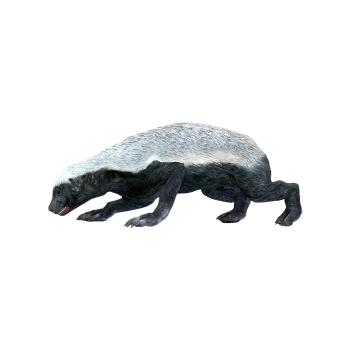
Honey Badger (3D animated model)
192 View
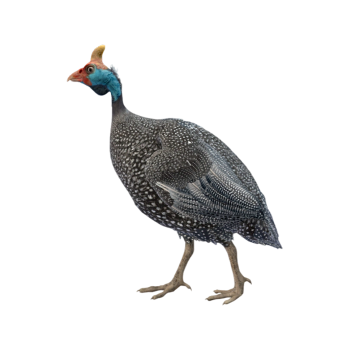
Guinea fowl (3D animated model)
163 View

Wild Goose (3D animated model)
185 View

Red Fox (3D animated model)
153 View
Random Model

Peel orange
397 View

Wild Boar (3D animated model)
103 View


Pumpkin
500 View


Flip the Book (3D Action Model)
142 View

a slice of orange
331 View

Two Musketeers Warrior Figure
150 View

French baguette
971 View
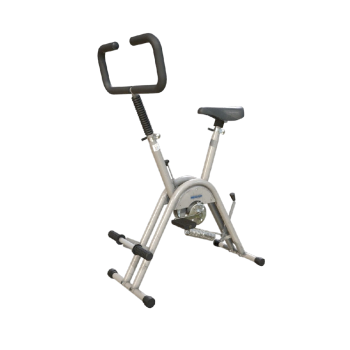
Multi-functional fitness equipment
419 View